
How Traffic Warrants Work in Early County
In Early County, traffic warrants are court processes. They are not driving-history products. Miss a court date or fail to respond, and the court may issue a warrant, report a failure to appear, or take another step that the case allows. Confirm the label with the issuing court. Local usage supports "bench warrant" and "failure to appear" language for Early County matters. Capias pro fine is not a verified local label. The court also varies. A ticket may belong to Blakely Municipal Court, another city court, Early State Court, Magistrate Court, or a court outside the county. That answer controls where the case is found, what must be done, and who sends any release.
Start With the Early County Citation
The official Georgia Uniform Traffic Citation shows the fields that route a case. Read the court, city or county, citation number, issuing agency, offense date, and appearance date. One caution applies. Never post a completed ticket or protected identifying data in a public request. The citation number is your best key. Early County publishes no local format, so never invent a sample number. Use the exact printed value as citation number on ticket, letters, zeros, and punctuation included. Zeros matter. If the case number differs, ask staff to repeat it. Provider data may lag. Georgia Courts says it can take 7 to 21 business days to load when a court uses a provider. An empty result soon after a stop is not proof that no case or warrant exists.
Early County Traffic Warrant Checks
The Georgia Courts ticket page says it plainly. No central citation database exists in Georgia. The page lists possible providers, but none is confirmed for an Early County court. Rely on official routes instead of treating a generic provider as the local system.
- Read the court and jurisdiction on the citation. That court is the first contact.
- Ask whether the court currently offers a provider lookup and what name, date of birth, or citation fields it needs.
- For Blakely matters, call Municipal Court Clerk Sherry Davis at 229-723-7029. For county routing, call the clerk at 229-723-3033.
- If the serving agency must confirm warrant status, call the Early Sheriff at 229-723-3484 and ask for the correct channel.
- For an existing sheriff record, use the written Open Records route with specific dates, names, places, and case number.
A records request is not live confirmation of an Early County warrant. Ask the court for case status and the sheriff for any service-side entry.
Blakely Traffic Warrant Contact
Blakely names a Municipal Court Clerk and a city contact but posts no public citation or warrant portal for Early County tickets. The clerk's line is 229-723-7029. City Hall sits at 82 Court Square. Its number is 229-723-3677. Ask the clerk whether the ticket is a city matter, whether a new court date is possible, and whether any provider is used. The city's older Chapter 6 code covers summonses, appearances, bonds, failure-to-appear proceedings, and forfeiture. It proves no current warrant status or fine. An April 2024 agenda only proposed fine increases, so it supports no present amount either. Arlington straddles two counties. First learn whether the case falls on the Early or Calhoun County side. Damascus and Jakin list no verified traffic portal or court contact, so start with the city contact and route to the named court or the Early County Sheriff.
Traffic Warrants: What They Show
An Early County traffic-warrant record ties citation facts to court action and later release steps. Request those fields from the official custodian, and do not republish personal data.
| Citation reference | Exact printed citation number and any court case number |
|---|---|
| Issuing details | Officer or agency, court, city or county, and offense date |
| Appearance | Scheduled date, plea or court action, and any missed setting |
| Warrant status | Exact bench-warrant or other court label, issue date, and current status |
| FTA record | Notice date, DDS effective date if reported, and court release date |
| Verification | Official source and last-checked date |
In Early County, a DDS status is not the warrant status; the two records can change at different times.
Missed Early County Traffic Court
Georgia DDS says a failure-to-appear suspension can follow when a driver fails to appear or respond to a citation. It starts 28 calendar days after DDS gets notice. Until then, the court may still allow resolution. Only the issuing court can explain the case options. The DDS failure-to-appear guidance lays out that timing and the release path for Early County drivers.
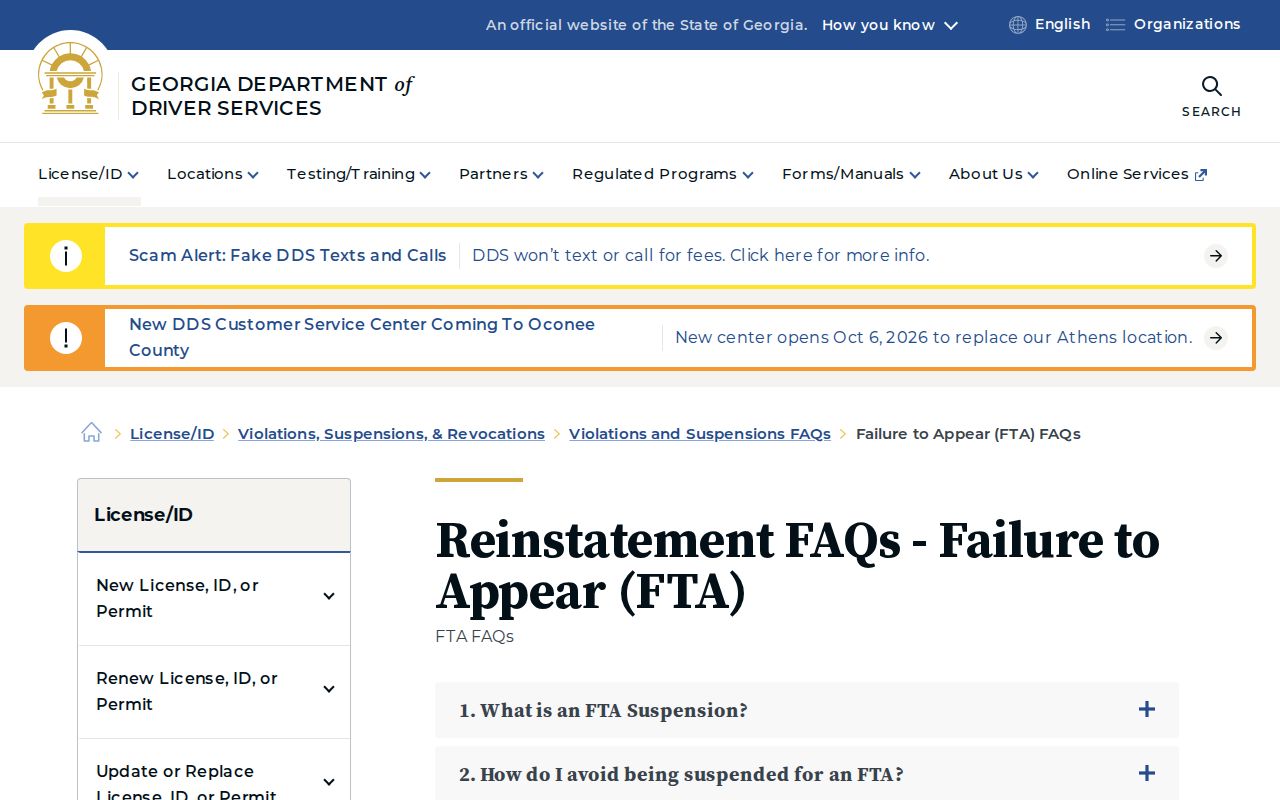
The sequence is firm in Early County. Resolve the court matter first, have the court send the release, then handle the state reinstatement step, never in reverse.
Clearing an Early County Traffic Warrant
Early County posts no countywide pay-to-recall button, recall form, bond schedule, or walk-in warrant session. The fix belongs to the issuing court. It may demand payment, an appearance, bond, a new date, proof of compliance, or a judicial order. Confirm the exact method before going to the jail or sending money.
- Confirm the citation, court, warrant label, current status, and total court obligation.
- Ask whether payment, appearance, bond, counsel, or another court action is required.
- Complete the court-approved step and obtain a dated receipt or order.
- Ask the court when it sent a warrant recall and any FTA release to the sheriff and DDS.
- Confirm receipt with each agency before treating the matter as cleared.
Warning: Paying a DDS fee does not clear an Early County traffic warrant or resolve the underlying court case.
When a ticket names a municipal court, the Early County city court warrant route can help.
Early County Court Release to DDS
Most Georgia courts send FTA releases electronically. Ask the issuing court when it transmitted yours. Then check DDS Online Services. DDS processes reinstatement after it receives the release and the required fee clears. The official DDS reinstatement page lists the current mail, online, and in-person payment methods behind the Early County release route.
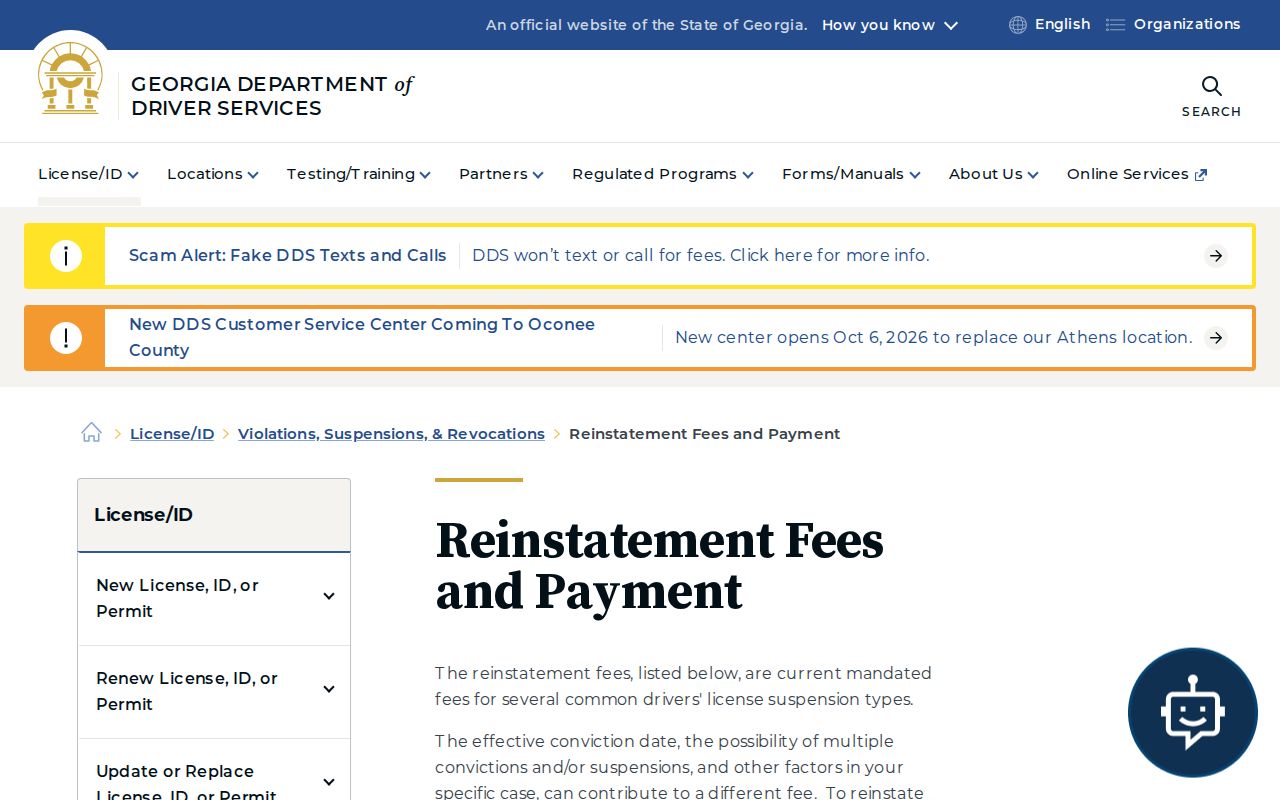
Fee amounts change. Online totals can shift too. Verify the current sum on the official DDS page before paying an Early County reinstatement.
How Traffic Warrants Trigger License Holds
Skipping a court date in Early County can spawn two records that look like one. A paid state fee or a cleared license is not the same thing as a recall from the court, so treat each item on its own.
| Record | Trigger | Authority and fix |
|---|---|---|
| Traffic citation case | Officer files the ticket with the named court | Court handles plea, payment, appearance, and disposition |
| Traffic warrant | Court acts after a missed duty as allowed | Issuing court controls recall; serving agency tracks service |
| FTA suspension | Court notice reaches DDS after failure to respond | Court sends release, then DDS processes reinstatement |
Georgia runs no single traffic screen that merges these entries. Check each one with its own Early County office and write down the date.
Early Sheriff Traffic Warrant Route
The Georgia Sheriffs Association directory lists the Early County Sheriff's main contact and office.
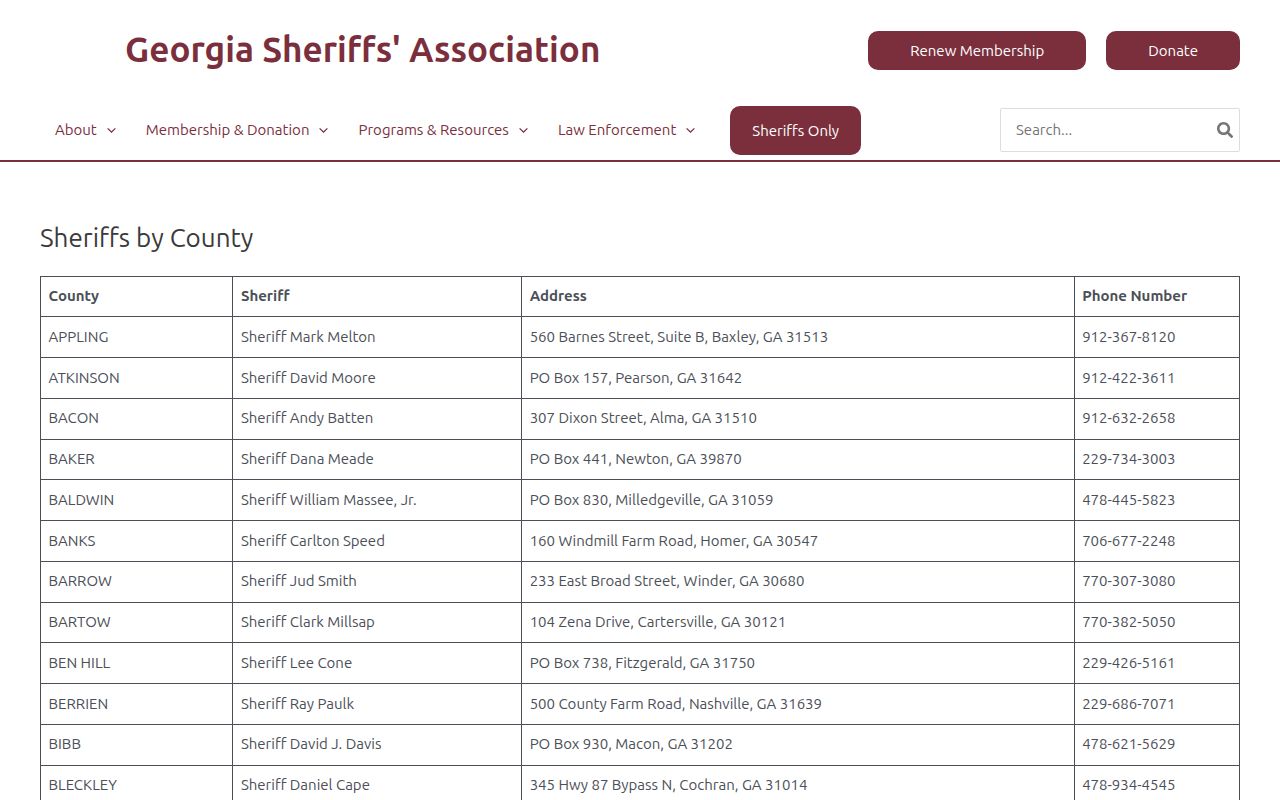
Start with 229-723-3484 for routing. The Early County Sheriff's site also posts dispatch at 229-723-3577, the jail at 229-723-3150, and the courthouse at 229-723-3214. State your purpose up front, then ask whether the traffic warrant is active, served, or waiting on a court release. A written request to the Sheriff needs your name, phone, return address, and the specific record facts. Costs may apply. If the matter is pretrial, the clerk and a proper discovery process may be the better route. Under the Georgia Attorney General's guidance, an agency generally answers within three business days or explains timing, cost, and any exemption in writing. It does not have to create a report that never existed. So ask for the real citation, warrant, service, recall, or disposition record by its known number and date. Keep a simple call log. Note the office, the staff role, the time, the exact status word, the source date, and any promised next step. That log pays off when the court has sent a release but the service or DDS system has not caught up. Never send a birth date or other protected identifier to an unofficial account.