
Inside the Early County Most Wanted Program
Early County runs no most-wanted program. The Early County Sheriff website posts service information and phone numbers. It carries no roster of wanted people. The county and Pataula Judicial Circuit sites offer none either. So the honest route is a direct call. This page will not republish names, photographs, or mugshots. If Early County later launches a program, trust only the agency's own dated page, and confirm current status before sharing anything.
No Official Early County Most-Wanted Roster
Early County posts no date-stamped roster, downloadable list, or fugitive bulletin. There is no local Crime Stoppers page. No update schedule or search fields exist either. A quiet sheriff's menu does not mean no active warrants exist; it simply means the website offers no such display.
Key Point:
No names, photos, or warrant entries are hosted here. Current Early County status must be checked with the Sheriff or issuing court.
Describe and link, never copy. A warrant notice from another county or from the state may be valid where it was issued and still have nothing to do with Early County. Jurisdiction and agency attribution matter. The Georgia existing-warrant guidance sends people back to the local sheriff rather than offering a statewide public search. That fallback supports a direct Early County inquiry. It is not proof that a county roster exists. Know who published what you found. When you call, ask whether staff can confirm current status, whether a clerk controls the answer, and whether an older record can be requested in writing.
How Early County Most Wanted Lists Work
No Early County list exists, so its selection rules cannot be checked. Elsewhere, a most-wanted feature is a curated public-safety subset, not a complete warrant index. Many active warrants never make such a list. An official Early County feature, if one appears, should name its publisher, show posting and status dates, and explain how to report safely.
Note: No Early County list cadence is published, so absence from a web page cannot prove that no active warrant exists.
A posted notice can go stale fast. A warrant may be served, recalled, stayed, or quashed right after it appears. The issuing court controls the legal status in Early County. The Sheriff may hold service information, so checking both can explain a change.
Verify an Early County Warrant Claim First
Check the source before you share anything. Identify the agency, jurisdiction, court, posting date, and status date. Then call the number the agency publishes itself. Early County Sheriff's main line is 229-723-3484. The Sheriff's footer also lists dispatch at 229-723-3577 and the courthouse at 229-723-3214. For a county court record, call Clerk of Superior Court Gayle Anderson at 229-723-3033. A Blakely city matter goes to Municipal Court Clerk Sherry Davis at 229-723-7029. Arlington spans Early and Calhoun counties, so confirm the city or county route before attributing any claim to Early County.
Sending a Most Wanted Tip Safely
Early County has no anonymous tip line, web form, app, reward program, or Crime Stoppers channel. Dispatch is a public contact point. The Sheriff does not label it anonymous or attach a cash reward. Never promise confidentiality or payment the agency has not published.
- For an immediate emergency or threat, call 911.
- For a non-emergency concern, call the official Sheriff number and ask which channel accepts the information.
- Give a location and direct observations without approaching, following, or trying to detain anyone.
- Ask whether the report is confidential and whether follow-up is expected before sharing sensitive facts.
Key Point: Report and step back. Do not confront a person, and do not represent the Early County dispatch line as anonymous.
No Early County Reward Program Verified
Early County publishes no reward notice and no rules for tip eligibility, payment, or follow-up. A statewide or unrelated program cannot fill that local gap. Callers should ask the receiving agency what privacy rules apply. Expect no payment without a published Early County program. Social media deserves the same caution. A real agency account may post a dated notice. A repost can strip away corrections and later status updates. Link to the original instead of copying names or images. No identifiable original means no Early County public record. A public-record request is a separate tool. The Georgia Attorney General's open-government FAQ explains that an agency generally responds within three business days or states its timing, cost, and any exemption. That law does not force an agency to create a new roster. Request an existing, releasable record. And do not mistake the response for an anonymous tip or an instant safety report.
How Most Wanted Differs From an Active Warrant
A most-wanted feature reflects an agency's own selection, where one exists. An active warrant is legal process not yet served, recalled, quashed, stayed, or satisfied. Many Early County active warrants would never appear in any publicity feature.
| Feature | Most Wanted | Active Warrant |
|---|---|---|
| Scope | A selected public-safety subset | Any current unserved or unresolved process |
| Early County publication | No verified local roster | No verified public active-warrant list |
| Authority | The named publishing agency | The issuing court, with service information from an agency |
| Verification | Official dated page and agency contact | Current court or Sheriff confirmation |
Silence is not an answer. No public Early County warrant list simply means nothing is posted, not that no warrant exists.
Federal Fugitive Resources Are Separate
Early County sits in the Middle District of Georgia, Albany Division. The official division page documents that federal jurisdiction.
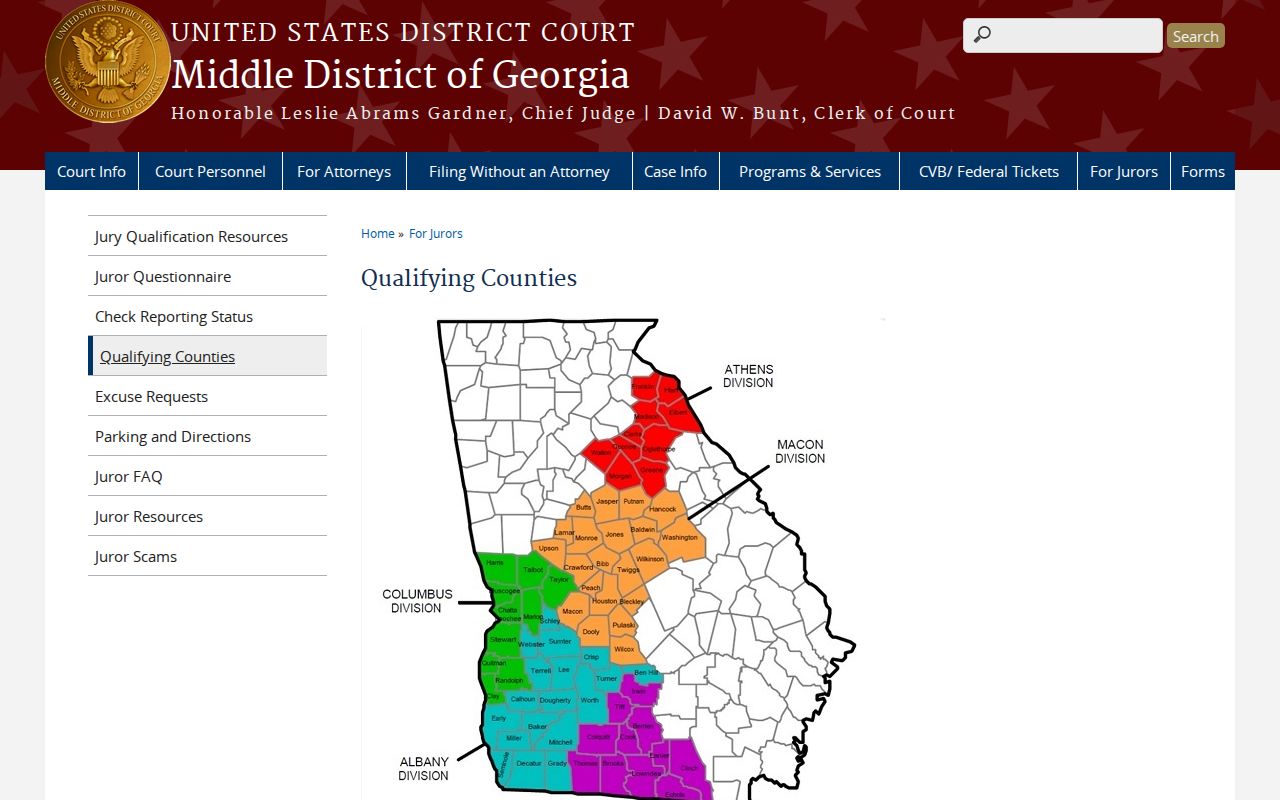
A federal fugitive matter in Early County follows a separate track from anything the county clerk or jail handles. The U.S. Marshals Middle District page lists federal office and task-force contacts, and the official Albany courthouse page shows the federal office that serves this division. PACER can surface a federal docket. It is not a live public warrant screen. Take a federal warrant question to that court or to counsel rather than to Early County offices.
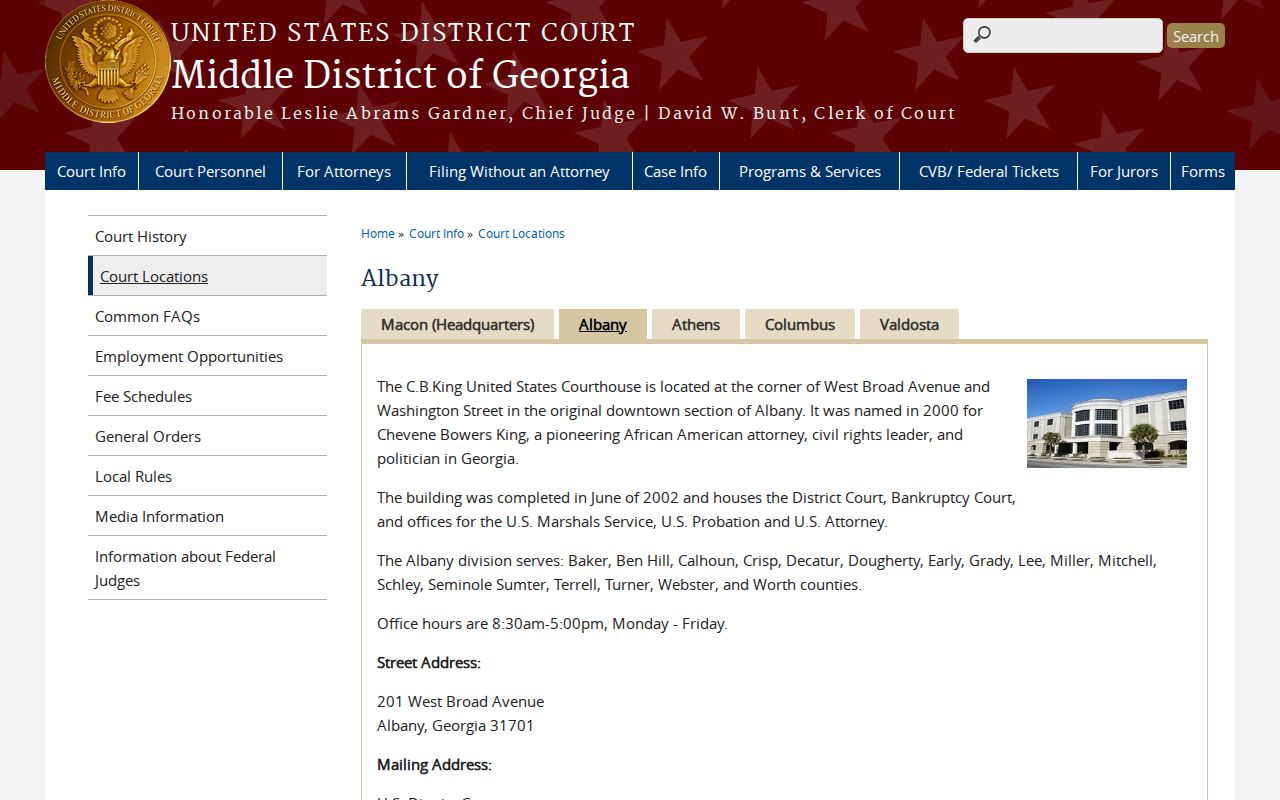
This federal courthouse contact is for federal process. It is not an Early County warrant line or tip channel.
Why Early County Screenshots Can Mislead
An image shared online freezes one moment in time, and it may leave out who published it, when it was checked, or which county it even belongs to. With no verified current roster in Early County, anything labeled as a local list deserves extra scrutiny. A picture copied from another county, a private page, or an old post proves nothing about active status today. Suppose a genuine list appears later. It would need to state what its status labels mean, name the issuing court and agency source, give a warrant reference, and show both a posting date and a last-checked date. It should also explain how an entry gets corrected or removed. Those details keep a prior warrant from being mistaken for a current one. Until Early County has such a source, use the Early County active-warrant confirmation routes.
When You Believe You Are Listed
If you believe a warrant or publicity notice names you, skip the third-party screenshots and get a straight answer. A lawyer can call the issuing court or the Early County Sheriff, confirm whether process actually exists, and lay out the lawful next step. That step varies. It may be a new court date, bond, an arranged surrender, a recall request, or simply proof of compliance with terms already set.
Important: Seek legal advice and official confirmation before appearing in person; Early County publishes no universal surrender or walk-in procedure.
Payment alone does not clear the matter. Court costs, bond, a citation payment, probation compliance, and DDS reinstatement are separate obligations in Early County, and each can linger after the others are met. Get a dated record of any recall or release. Then ask whether it went to the Sheriff, jail, DDS, or another agency.