
How Arrest Warrants Work in Early County
Georgia law puts arrest warrants on a simple footing: probable cause. Under O.C.G.A. §17-4-40, a sworn statement goes to a judge or other authorized officer, and that officer signs only if the facts give reason to believe a crime happened and the named person did it. That showing is far from a trial result. Check the current code before relying on any of it. In Early County, the court named on the warrant is where the real answers live.
Georgia Courts explains which courts hold that power. State and Magistrate Courts issue arrest warrants within their own authority, and Municipal Courts handle city matters. The Superior Court of Early County sits in the Pataola Judicial Circuit and takes felony trials plus broad county business. Match the court and case number on the warrant to the right clerk, and that office can explain the record.
Early County Arrest Warrant Authority
The Georgia Courts system map sorts out who does what. State Court takes misdemeanors, traffic cases, preliminary hearings, and arrest and search warrants. Magistrate Court issues warrants too, along with minor criminal matters. Municipal judges stay inside city limits. So no single counter in Early County holds every active arrest warrant. The Early County department directory points you down each official path: Sheriff, clerk, Probate, Magistrate, Juvenile, and the jail. It routes you to separate offices rather than to any public name-search database.
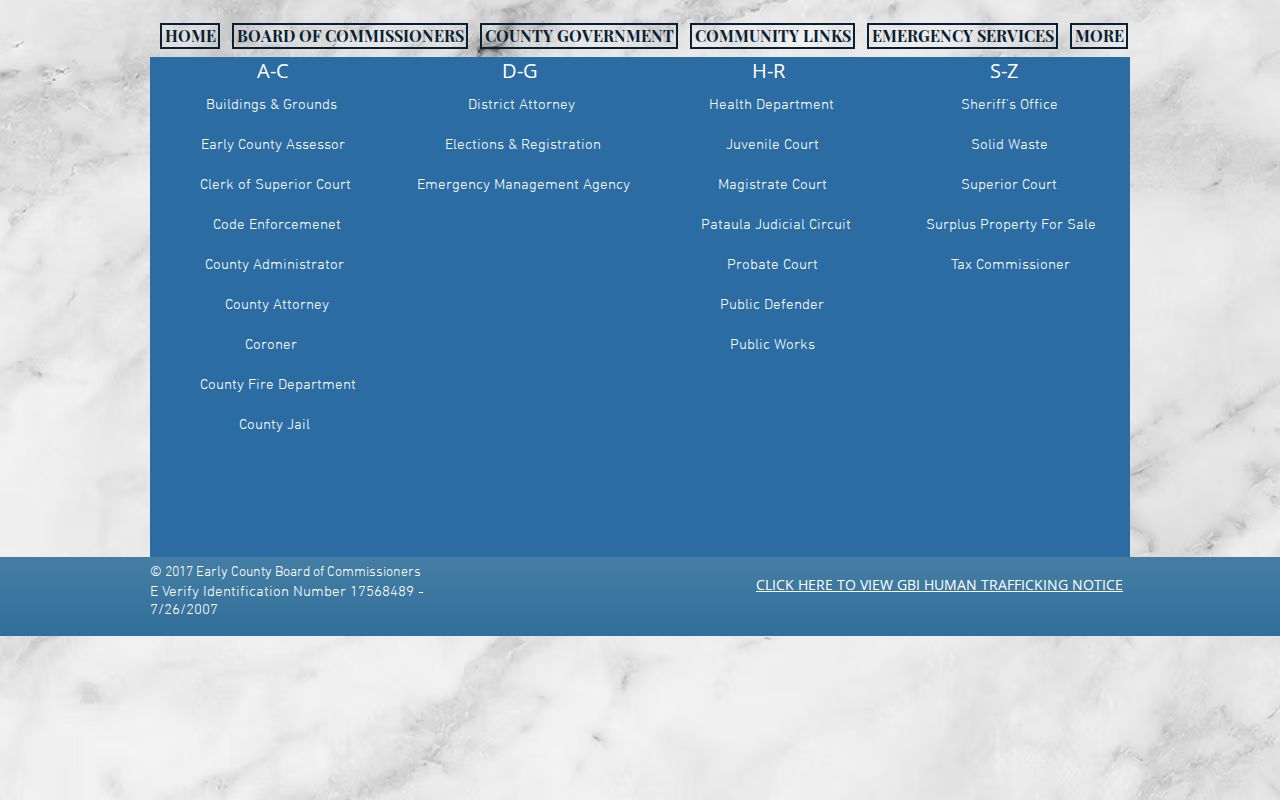
Because the work is split this way, start any Early County warrant check with the issuing court. Then ask the sheriff about service or custody status.
Arrest Warrants: What They Contain
Georgia's affidavit form lives at O.C.G.A. §17-4-45. It shows the kinds of facts a warrant file may rest on. Access can still be limited.
| Jurisdiction | Georgia, county, and the authorized issuing court |
|---|---|
| Affiant | The person who swears to the supporting information |
| Accused | Name plus protected identifiers used to distinguish the person |
| Basis | Offense, event date, and probable-cause account |
| Authorization | Judicial signature, oath, and issue date |
| Later events | Service, bond, court date, recall, or disposition |
An issue date and a service date answer two different questions. An Early County warrant can exist long before anyone serves it, so ask staff for the exact status and the date they checked.
Early Sheriff Serves County Warrants
The Georgia Sheriffs Association directory places the Early County Sheriff at 18610 East South Boulevard in Blakely, with the main line at 229-723-3484. The Sheriff's own site adds dispatch at 229-723-3577, the jail at 229-723-3150, and the courthouse at 229-723-3214. Call first and ask which of those numbers handles a live arrest-warrant question. Don't expect the jail counter to change a court order, because it can't. City police or the City Marshal serve municipal process instead. Federal warrants rest with federal court and the U.S. Marshals, not the county clerk. When you reach the office holding the record, ask three things: whether service happened, whether a return was filed, and what court event comes next. A service note alone won't tell you how the case ends.
How Warrants Get Served in Early County
Serving a warrant means carrying out its custody authority. The serving agency could be the Early County Sheriff, Blakely Police, the City Marshal, another local department, or a federal agency. The issuing court keeps control of the judicial process no matter who serves it. A service record may list the agency, the date, any custody event, and the return to court. Blakely's code gives its Police Chief and City Marshal duties over municipal summonses, citations, executions, attachments, and rules, but that city role doesn't stretch to every county warrant. The county directory lists no separate constable route. Rural Early County is better served by phone calls and courthouse routing than by any large online portal. The official county government page gives the county-seat context and shows the government route for finding the right office.

The Early County government page posts no warrant roster, so current status still takes a direct call to the office that holds the record.
Arrest, Record, and Conviction Differ
In Early County, each paper answers a different question. An arrest warrant is a judge's authority to take someone into custody. An arrest record only notes that a custody event happened. An accusation or an indictment moves a criminal case forward. A disposition shows what the court later did with it. A conviction comes only after a plea or a finding of guilt, so never treat one item as proof of another. When you copy anything down, capture the source, the issue date, the service date, the case status, and the date the office confirmed it, and steer clear of stale PDFs, unofficial lists, and files that cannot be matched to the right person.
Arrest Warrants, Summonses, and Bench Warrants
These papers can show up at different stages of a case in Early County, so knowing which one you hold tells you which office to call.
| Process | Basis | Practical effect |
|---|---|---|
| Arrest warrant | Probable cause and sworn information | Authorizes custody for the alleged offense |
| Summons | Court or officer directs an appearance | Commands appearance without itself being a custody warrant |
| Bench warrant | Missed setting or unmet court duty | Returns an existing case to court through custody process |
A search warrant lets officers search a place or thing in Early County. It is not an arrest-warrant lookup. Blakely's inspection-warrant rule is also property process, not a sign that a person is wanted.
Check Early County Arrest Warrant Status
Early County publishes no public warrant database, affidavit sample, live status field, or service-return search. Keep court records and law-enforcement confirmation separate.
- Identify the issuing court from case papers, notices, or a known case number.
- Contact Clerk Gayle Anderson at 229-723-3033 for the Superior Court record route and ask where a State Court file is held.
- Call the Early Sheriff main line at 229-723-3484 and ask which channel confirms current service status.
- If seeking an existing non-exempt record, submit the written details required by the Sheriff’s Open Records process.
- Ask for the exact status, source date, bond instructions, court date, and safe next step.
The written request asks for your name, phone, return address, and the specific facts, such as names, dates, places, and a case number. It does not replace a live status call. It is not a substitute for criminal discovery.
Early County Arrest Record Access
Georgia's Open Records Act, O.C.G.A. §§50-18-70 et seq., opens most arrest and warrant records to the public. Access still has limits. Active investigations, juvenile matters, sealed files, and protected identifiers may be withheld or redacted. The Attorney General's open-government FAQ says agencies generally respond within three business days or send a written status covering cost, timing, and any exemption claimed. Early County's town roster helps with city context. The official Early County cities page names Blakely, Arlington, Damascus, and Jakin. It is civic context, not a warrant list.
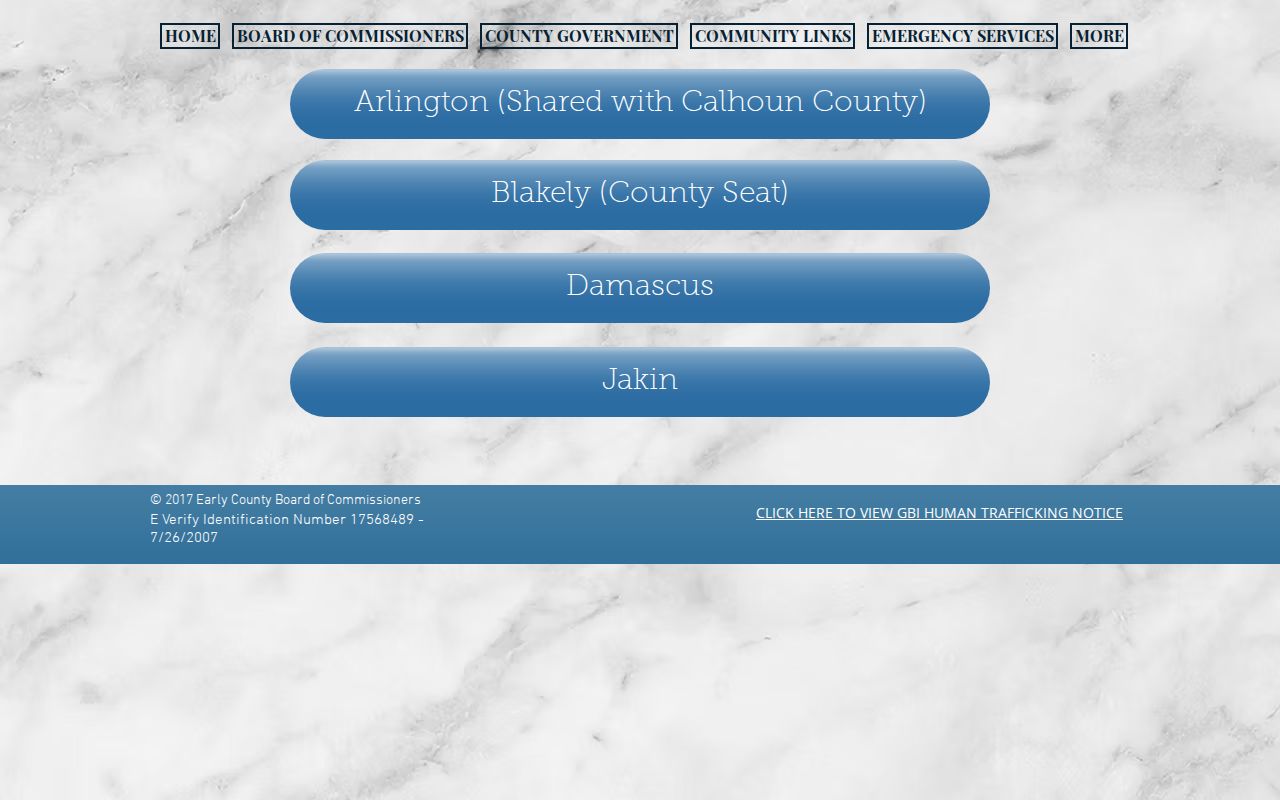
Some city cases stay with the municipal court instead of the county clerk. That matters in Early County, where Arlington sits across two counties, Early and Calhoun. So check both the city and the county named on the paperwork.
Municipal Arrest Warrants in Early County
Blakely offers the most city-level detail. Its staff directory lists Municipal Court Clerk Sherry Davis at 229-723-7029 and Police Chief Will Caudill at 229-723-3414. The city runs no dedicated warrant portal. Arlington posts directory-listed municipal officials, but the town spans Early and Calhoun counties, so staff there should confirm which county holds the case. Jakin is thinner. Its civic page gives a phone and address. It offers no police department, municipal court, or warrant lookup of its own.

For Jakin or Damascus, call the city clerk and ask which municipal court or officer holds the file. County-level matters route elsewhere. Send those to the Early County Sheriff or the named county court. The Sheriff posts no official Early County warrant list, so do not expect a city warrant to appear there.
Handling an Arrest Warrant in Your Name
Do not act on a web result. Do not walk into the jail without instructions. In Early County, contact a qualified attorney or the issuing court about a lawful surrender, bond, or your required appearance date. No one walk-in method is standard. Ask whether bond is available, who sets it, what payment form is accepted, and whether a court appearance must come first.
Act carefully: Confirm the issuing court and arrange safe surrender instructions before appearing at an Early County law-enforcement or jail counter.
Keep every paper. Hold on to the case number, receipts, bond papers, next court date, and any written orders. Ask whether the court must transmit a release or status change to the Sheriff or jail. Then confirm receipt with that agency. A bond frees you on stated terms. It does not decide the underlying charge. The Early County warrant records overview adds the broader county routing context.